
Fêtes Ste Barbe - Sankt Barbarafeiern - St. Barbara's Feast Days Ritual |
||
2008 |
||
prochainement |
Fête de la Sainte Barbe:
06-12-2008 |
Fête de la Sainte Barbe:
" Bärbelendag 2008 " |
Fête de la Sainte Barbe:
04-12-2008 |
Fête de la Sainte Barbe:
04-12-2008 |
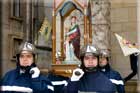
Fête de la Sainte Barbe:
04-12-2008 |
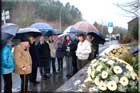
Fête de la Sainte Barbe:
04-12-2008 |
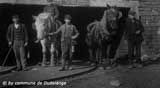
Fête de la Sainte Barbe:
04-12-2008 |
prochainement |
2007 |
||

Entente des Mineurs: Fête de la Ste Barbe à Esch-sur-Alzette04-12-2007Fête de la Sainte Barbe à Esch-sur-Alzette |

Fête de la Ste Barbe à la minière DHOIL04-12-2007Fête de la Sainte Barbe à la minière Dhoil à Fond-de-Gras Dans l'ancienne vallée d'exploitation minière " Fond-de-Gras", le minerai de fer jouait un rôle important à l'époque. Au fil du temps un musée industriel d'air libre et un musée des chemins de fer se sont établis et racontent l'histoire du petit village au cours des 100 dernières années. Une halte dans le bistrot pittoresque "Bei der Giedel", qu'on ne devrait pas manquer, nous rappelle dans cette petite vallée enchanté la prospérité d’autrefois. Deux trains font leurs tours du printemps jusqu'à l'automne tous les week-ends : La "Minièresbunn" conduit à travers l'ancienne galerie jusqu'à à Lasauvage pendant que le "Train 1900" va aller-retour jusqu'à Petange. |
Sainte Barbe - La Légende Sa tradition se situe à Nicomedi (aujour'hui Izmit, ville de Turquie) au IIIe Siécle.
Belle et noble jeune fille, Barbe aurait été enfermée dans une tour par son père Dioscore qui voulait la soustraire aux solicitations du monde.
De retour d'un voyage Dioscore apprend que sa fille s'est convertie au catholicisme : il la livre au Gouverneur qui la fait supplicier et décapiter par dioscore lui-même. A peine a-t-il terminé, qu'il est frappé par la foudre.
La tour, au cours des âges, finit par se confondre avec une poudrière.
Invoquée contre la foudre et l'incendie (à cause de la mort de son père), elle est la Sainte Patronne des artificiers, des artilleurs et des mineurs
Sa tradition se situe à Nicomedi (aujour'hui Izmit, ville de Turquie) au IIIe Siécle.
Belle et noble jeune fille, Barbe aurait été enfermée dans une tour par son père Dioscore qui voulait la soustraire aux solicitations du monde.
De retour d'un voyage Dioscore apprend que sa fille s'est convertie au catholicisme : il la livre au Gouverneur qui la fait supplicier et décapiter par dioscore lui-même. A peine a-t-il terminé, qu'il est frappé par la foudre.
La tour, au cours des âges, finit par se confondre avec une poudrière.
Invoquée contre la foudre et l'incendie (à cause de la mort de son père), elle est la Sainte Patronne des artificiers, des artilleurs et des mineurs
|
2006 |
||
Heilige Barbara - Die Legende Nach der Legende lebte und starb sie den Märtyrertod in der Stadt Nikomedia (heute Izmit, Türkei). Um sie vor der Welt zu schützen, ließ ihr Vater einen Turm bauen,
in dem sie ihre Jugend in Einsamkeit verbrachte. Gegen den Willen ihres Vaters wurde sie in dieser Abgeschiedenheit zur Christin. Dieser lieferte sie daraufhin dem
römischen Statthalter aus, doch auch er konnte sie nicht dazu bewegen, ihrem Glaubens zu entsagen. Schließlich erbot sich ihr Vater, die Tochter selbst zu richten.
Nachdem er ihr das Haupt abgeschlagen hatte, wurde er von einem Blitz erschlagen. Aufgrund dieses Ereignisses wurde die heilige Barbara mit Blitzen in Verbindung
gebracht - bei Gewitter und Stürmen, aber auch bei Brandkatastrophen werden Gebete an sie gerichtet; aus demselben Grund ist sie die Schutzheilige der Bergleute und der Artillerie.
Nach der Legende lebte und starb sie den Märtyrertod in der Stadt Nikomedia (heute Izmit, Türkei). Um sie vor der Welt zu schützen, ließ ihr Vater einen Turm bauen,
in dem sie ihre Jugend in Einsamkeit verbrachte. Gegen den Willen ihres Vaters wurde sie in dieser Abgeschiedenheit zur Christin. Dieser lieferte sie daraufhin dem
römischen Statthalter aus, doch auch er konnte sie nicht dazu bewegen, ihrem Glaubens zu entsagen. Schließlich erbot sich ihr Vater, die Tochter selbst zu richten.
Nachdem er ihr das Haupt abgeschlagen hatte, wurde er von einem Blitz erschlagen. Aufgrund dieses Ereignisses wurde die heilige Barbara mit Blitzen in Verbindung
gebracht - bei Gewitter und Stürmen, aber auch bei Brandkatastrophen werden Gebete an sie gerichtet; aus demselben Grund ist sie die Schutzheilige der Bergleute und der Artillerie. |

Fête de la Ste Barbe à la minière DHOIL04-12-2006Im idyllischen ehemaligen Bergbautal "Fond-de-Gras" wurde seinerzeit eifrig Eisenerz gefördert. Im Laufe der Zeit ist ein Freiluftindustrie- und Eisenbahnmuseum entstanden das die Geschichte des kleinen Meilers in den letzten 100 Jahren erzählt. Eine Einkehr im pittoresken Bistro " Bei der Giedel", den man sich nicht entgehen lassen sollte,erinnert in diesem verwunschenen kleinen Tal an den einst florierenden Minetteabbau. Zwei Bahnen machen vom Frühjahr bis Herbst an den Wochenenden ihre Rundfahrten: Die "Minièresbunn" fährt durch den ehemaligen Stollen bis nach Lasauvage, während der "Train 1900" bis zum Petinger Bahnhof und zurückfährt. By steam train around Fond-de-Gras Iron ore was eagerly extracted in the idyllic former mining valley "Fond-de-Gras". By the time a free air industrial and railroad museum arose and tell the story of the small village within the last 100 years. You shouldn’t miss a stop in the picturesque bistro "Bei der Giedel" , reminding in this enchanted little valley the former prospering mining activity. Two trains make their tours from the spring till fall at the weekends: The "Minièresbunn" drives through the former gallery to Lasauvage, while the "Train 1900" is steaming till Petange and back |
Saint Barbara - The Legend According to legend, Saint Barbara was the extremely beautiful daughter of a wealthy heathen named Dioscorus, who lived near Nicomedia in Asia Minor. Because of her
singular beauty and fearful that she be demanded in marriage and taken away from him, he jealously shut her up in a tower to protect her from the outside world.
Shortly before embarking on a journey, he commissioned a sumptuous bathhouse to be built for her, approving the design before he departed.
Barbara had heard of the teachings of Christ, and while her father was gone spent much time in contemplation. From the windows of her tower she
looked out upon the surrounding countryside and marveled at the growing things; the trees, the animals and the people. She decided that all these must be
part of a master plan, and that the idols of wood and stone worshipped by her parents must be condemned as false. Gradually she came to accept the Christian faith.
As her belief became firm, she directed that the builders redesign the bathhouse her father had planned, adding another window so that the three windows might symbolize
the Holy Trinity. When her father returned, he was enraged at the changes and infuriated when Barbara acknowledged that she was a Christian. He dragged her
before the perfect of the province, who decreed that she be tortured and put to death by beheading. Dioscorus himself carried out
the death sentence. On his way home he was struck by lightening and his body consumed. Saint Barbara lived and died about the year 300 A.D. She was venerated as
early as the seventh century. The legend of the lightning bolt which struck down her persecutor caused her to be regarded as the patron saint in time of danger
from thunderstorms, fires and sudden death. When gunpowder made its appearance in the Western world, Saint Barbara was invoked for aid against accidents
resulting from explosions--since some of the earlier artillery pieces often blew up instead of firing their projectile, Saint Barbara became the patroness of the artillerymen and also of the miners.
According to legend, Saint Barbara was the extremely beautiful daughter of a wealthy heathen named Dioscorus, who lived near Nicomedia in Asia Minor. Because of her
singular beauty and fearful that she be demanded in marriage and taken away from him, he jealously shut her up in a tower to protect her from the outside world.
Shortly before embarking on a journey, he commissioned a sumptuous bathhouse to be built for her, approving the design before he departed.
Barbara had heard of the teachings of Christ, and while her father was gone spent much time in contemplation. From the windows of her tower she
looked out upon the surrounding countryside and marveled at the growing things; the trees, the animals and the people. She decided that all these must be
part of a master plan, and that the idols of wood and stone worshipped by her parents must be condemned as false. Gradually she came to accept the Christian faith.
As her belief became firm, she directed that the builders redesign the bathhouse her father had planned, adding another window so that the three windows might symbolize
the Holy Trinity. When her father returned, he was enraged at the changes and infuriated when Barbara acknowledged that she was a Christian. He dragged her
before the perfect of the province, who decreed that she be tortured and put to death by beheading. Dioscorus himself carried out
the death sentence. On his way home he was struck by lightening and his body consumed. Saint Barbara lived and died about the year 300 A.D. She was venerated as
early as the seventh century. The legend of the lightning bolt which struck down her persecutor caused her to be regarded as the patron saint in time of danger
from thunderstorms, fires and sudden death. When gunpowder made its appearance in the Western world, Saint Barbara was invoked for aid against accidents
resulting from explosions--since some of the earlier artillery pieces often blew up instead of firing their projectile, Saint Barbara became the patroness of the artillerymen and also of the miners. |
